If you've ever thrown out your low back picking up a gym bag, twisting for a golf swing, or just bending over to tie your shoes, you know how fast it can knock you out of your routine. Low back pain is one of the most common reasons people walk through my door at Limitless Sports Chiropractic, and it doesn't discriminate — I see it in high school athletes, weekend warriors, and desk-bound professionals from Aubrey to Oak Point.
Here's what I want you to understand: low back pain is rarely about one dramatic injury. Most of the time, it's the result of restricted motion in the joints of the spine (what we call vertebral segments) combined with tight, overworked muscles trying to compensate. When one segment isn't moving the way it should, the segments above and below it start picking up the slack. Over time, that uneven load is what turns a minor ache into a nagging, recurring problem.
What's Actually Happening in Your Low Back
The lumbar spine is built for both stability and motion — it has to support your body weight while still allowing you to bend, rotate, and extend. When those joints lose normal motion (from sitting too much, a bad lift, poor movement patterns, or old injuries that never fully resolved), your nervous system responds by tightening the surrounding muscles to protect the area. That protective guarding feels like stiffness or a deep, dull ache, and it's often worse first thing in the morning or after long periods of sitting.
This is different from a disc injury or true nerve involvement, which usually causes pain that travels down the leg. Most of the low back pain I treat in the clinic is mechanical — meaning it's coming from the joints and soft tissue, not the nerve itself. That distinction matters, because mechanical low back pain responds extremely well to chiropractic care.
How a Chiropractic Adjustment Helps
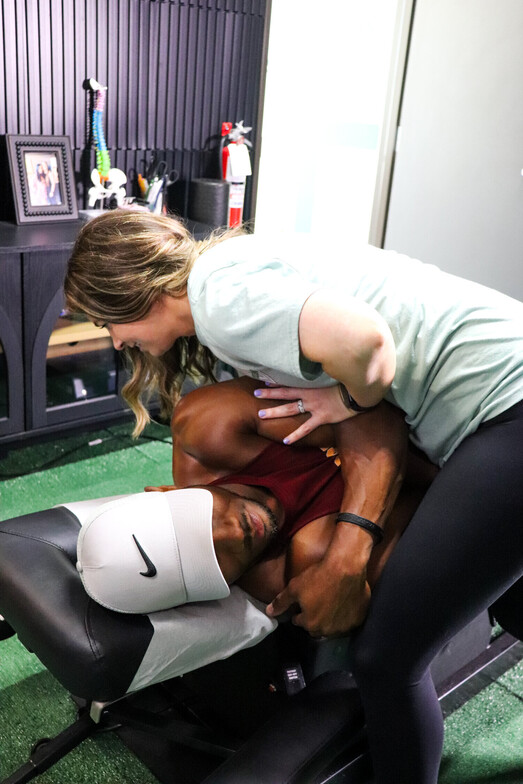
A chiropractic adjustment restores motion to a joint that's not moving properly. When I adjust a restricted segment in the lumbar spine, a few things happen almost immediately: the joint capsule receives a burst of proprioceptive input that helps "reset" the surrounding muscle tension, the segments above and below get relief from having to overcompensate, and you typically feel an immediate increase in range of motion.
For athletes specifically, this matters beyond just pain relief. A stiff, poorly-moving low back changes how force transfers through your hips, pelvis, and legs during running, squatting, or any rotational movement like swinging a bat or golf club. Left unaddressed, that compensation pattern is a common setup for hip, hamstring, or even knee issues down the road. Getting the low back moving correctly again isn't just about feeling better sitting at a desk — it's about protecting the rest of the kinetic chain.
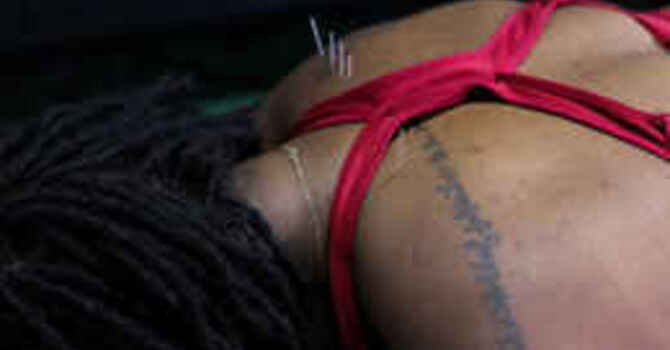
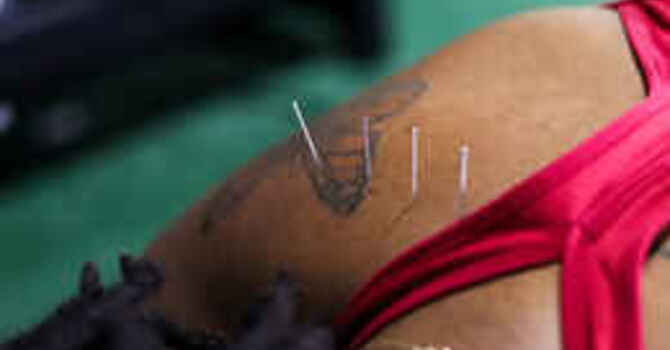
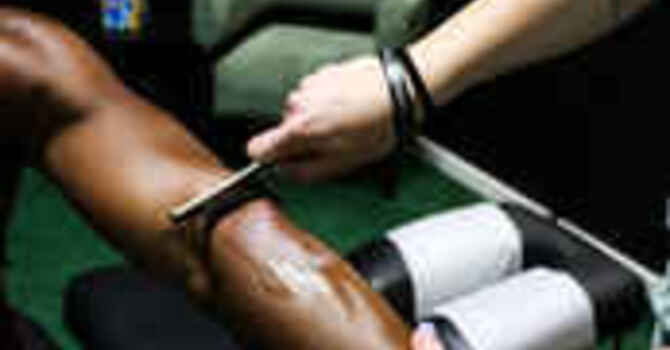
I also don't treat the low back in isolation. Most cases benefit from soft tissue work on the surrounding muscles — the glutes, hip flexors, and lumbar paraspinals are almost always part of the picture — combined with adjustments to address the joint restriction itself. Depending on what I find on exam, that might mean pairing an adjustment with cupping or Graston Technique during the same visit to address the muscle tightness that's been compensating for the restricted joint.
When to Get It Checked
You don't need to wait until low back pain is severe to get it evaluated. In fact, addressing mild stiffness or a recurring ache early is exactly how you avoid it becoming a bigger problem. Signs it's worth getting checked out include: pain that's been nagging for more than a few days, stiffness that's worse in the morning and loosens up as you move, pain that flares with specific activities like deadlifting or twisting, or a low back that just doesn't feel like it moves the way it used to.
That said, if you're experiencing pain, numbness, or tingling that travels down your leg past the knee, or any loss of strength or bladder/bowel changes, that's a different clinical picture and warrants prompt medical evaluation — not something to wait out.
Getting Back to 100%
Low back pain doesn't have to be something you just manage around. As a sports chiropractor serving Oak Point, Aubrey, Little Elm, Prosper, and the rest of North DFW, I build a plan around what's actually restricted and what's compensating — not a generic protocol. Most patients notice a real difference in mobility after their first adjustment, and we build from there with a plan specific to your activity level and goals.
If low back pain has been slowing you down, don't wait for it to get worse. Book an appointment at Limitless Sports Chiropractic and let's get your spine moving the way it's supposed to.

Taylor Hartman
Contact Me