If you've noticed a soft, puffy lump at the tip of your elbow that's tender to lean on, your first assumption might be tennis elbow or golfer's elbow. But if the pain is centered right on the bony point of your elbow rather than the inside or outside, and there's visible swelling, you're likely dealing with something different: olecranon bursitis.
I see this a lot in wrestlers, baseball and softball throwers, weightlifters, and even desk workers who rest their forearms on a hard surface all day. It's one of the more misunderstood elbow conditions I treat at Limitless Sports Chiropractic, and it responds well to dry needling when it's approached the right way.
What's Actually Going On
Your elbow has a small fluid-filled sac called the olecranon bursa sitting right over the bony tip of the joint. Its job is to reduce friction between your skin and bone during movement. When that area takes repeated pressure or impact — leaning on a desk, falling on the elbow, repetitive throwing or grappling — the bursa can become irritated and fill with extra fluid. That's bursitis: a swollen, sometimes warm, puffy elbow that's often more uncomfortable to touch or lean on than it is to move.
This is a completely different problem from tennis elbow (lateral epicondylitis) or golfer's elbow (medial epicondylitis), which involve degeneration in the tendons that attach to the sides of the elbow. Bursitis is about the sac; tendinopathy is about the tendon. Same joint, very different tissue, and that distinction matters for treatment.
Why Rest and Ice Alone Often Aren't Enough
The standard advice for bursitis — ice, compression, avoid leaning on it — helps with the acute swelling, but it doesn't address why the area keeps getting irritated in the first place. In athletes and active adults, chronic bursitis is frequently fed by tight, overworked muscles in the triceps and forearm that change how force gets distributed through the elbow. When those muscles stay locked up, the joint compensates, and the bursa keeps taking abuse even after the initial flare calms down. That's why bursitis has a reputation for coming back.
How Dry Needling Helps
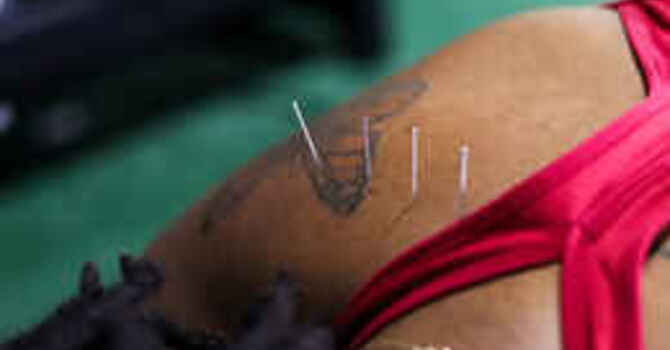
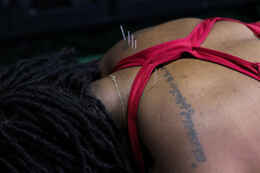
Dry needling doesn't treat the bursa directly — you don't want to needle into an inflamed, fluid-filled sac. Instead, we target the trigger points in the triceps, forearm extensors, and surrounding musculature that are driving abnormal tension and pressure around the joint. Releasing those trigger points does a few things: it reduces the guarding and compensation patterns that keep loading the bursa unnecessarily, improves local blood flow and tissue quality, and restores more normal movement mechanics through the elbow and forearm so the irritation has a chance to actually resolve instead of just quieting down temporarily.
For patients who've been dealing with recurring bursitis flares for months, this is often the missing piece. Treating the swelling without addressing the muscular dysfunction around it just resets the clock until the next flare-up.
What Treatment Looks Like
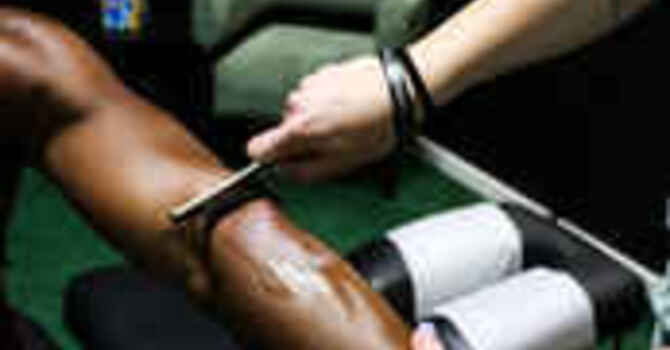
At your visit, I'll assess the elbow, rule out any signs that need a referral (occasionally a bursa needs to be drained or checked for infection before soft tissue work makes sense), and map out which surrounding muscles are contributing to the problem. From there, dry needling is typically combined with soft tissue work and a home program to keep the tension from rebuilding once you're back to training or daily activity.
This approach works well whether you're an athlete trying to get back to throwing or grappling, or simply someone whose job or daily habits keep putting pressure on that joint.
When to Get It Checked
If you've got a swollen elbow that isn't going down after a week or two of basic rest and ice, or it keeps coming back every time you return to activity, it's worth getting evaluated rather than just managing it on your own. We provide chiropractic care Prosper TX athletes and active adults rely on for hands-on soft tissue work, and we also see patients throughout Little Elm and the surrounding North DFW area. Elbow bursitis is one of those conditions that's genuinely easier to resolve early than after it's become a chronic, recurring problem.
Ready to get that elbow checked out? Book an appointment with Limitless Sports Chiropractic and let's find out what's actually driving the irritation — not just treat the swelling.

Taylor Hartman
Contact Me