If you've been dealing with sciatic nerve pain and haven't found lasting relief, you've probably started looking beyond the basics. Stretching helps a little. Ice and heat take the edge off. But the pain keeps coming back.
dry needling is one of the more effective tools available for stubborn sciatica, and it's still one of the most misunderstood. Patients often come in unsure whether it's the same as acupuncture, whether it will hurt, or whether it will actually do anything for the burning, radiating pain running down their leg. This post answers all of it.
What Dry Needling Actually Does
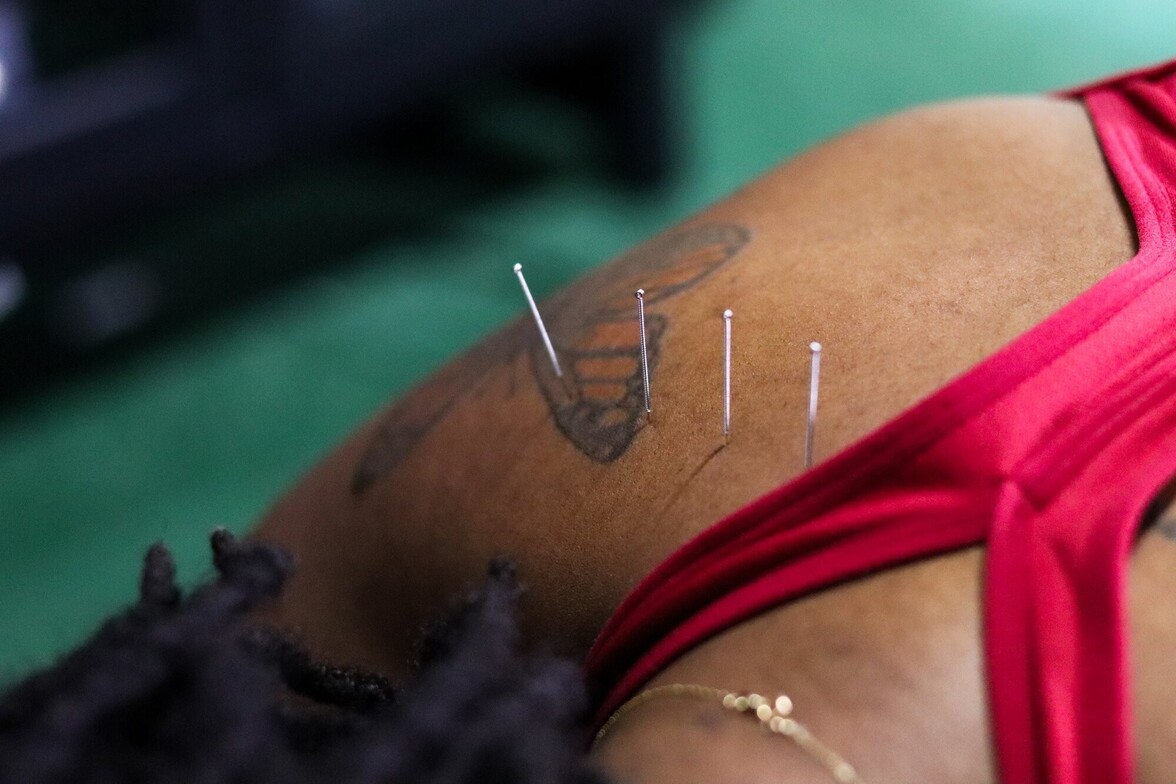
Dry needling involves inserting thin, solid filament needles directly into trigger points — tight, hyperirritable knots within a muscle that restrict movement, refer pain to other areas, and keep the nervous system in a state of low-grade irritation.
The goal isn't to inject anything. There's no medication involved, which is where the "dry" comes from. The needle itself is the intervention. When it enters a trigger point, it creates a local twitch response — a brief, involuntary muscle contraction — that essentially resets the muscle fiber. Blood flow increases, tension releases, and the nervous system calms down in that area.
This is meaningfully different from just stretching or massaging the area. You're directly disrupting the mechanical dysfunction inside the muscle tissue rather than working around it from the outside.
Why Dry Needling and Sciatica Are a Natural Fit
Most people think of sciatica as a spine problem, and often it is. A herniated disc or misaligned vertebra compressing the sciatic nerve is a classic cause. But the sciatic nerve doesn't just pass through the spine — it travels through a network of muscles all the way down the leg, including the piriformis, gluteus medius, hamstrings, and calves.
Any of those muscles can develop trigger points that compress or irritate the sciatic nerve directly, even when the spine itself is fine. This is sometimes called piriformis syndrome, and it's frequently misdiagnosed or missed entirely.
Dry needling targets that muscular component of sciatic nerve pain in a way that spinal adjustments alone cannot. When the piriformis is in chronic spasm and pressing on the sciatic nerve, releasing it with dry needling can produce rapid, noticeable relief — sometimes within the first session.
That's also why dry needling and chiropractic care work so well together for sciatica. The adjustment corrects the structural issue at the spine. The dry needling addresses the muscular tension along the nerve's path. Each one handles something the other doesn't.
What to Expect During a Dry Needling Session for Sciatica
The most common question patients ask before their first session is whether it hurts. The honest answer is that it's uncomfortable in a very specific way, but it's not the sharp pain most people are bracing for.
When the needle hits an active trigger point, you'll typically feel a deep ache or a brief muscle twitch. That sensation is actually a good sign — it means the needle has found the right spot and the tissue is responding. Most patients describe it as intense for a second or two, then gone.
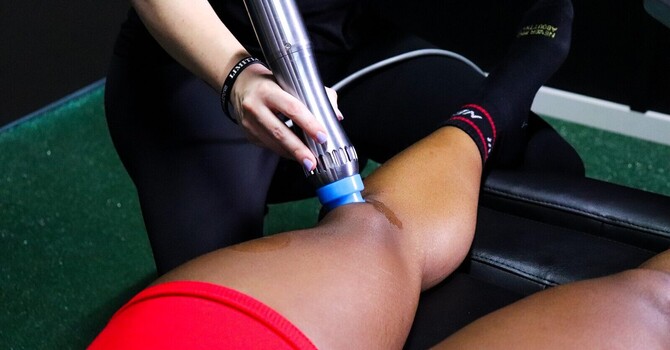
Depending on your presentation, your provider may target the piriformis and glutes, the lower paraspinal muscles along the lumbar spine, or points further down the leg if you're experiencing radiating symptoms into the calf or foot. Sessions typically run 20 to 30 minutes and are often combined with chiropractic adjustments in the same visit. In some cases, Graston and soft tissue scraping techniques are added alongside dry needling to further release the connective tissue around the sciatic nerve pathway.
It's normal to feel some muscle soreness afterward, similar to what you'd feel after a deep tissue massage or a hard workout. Most patients find this resolves within a day and is followed by noticeable improvement in their sciatica symptoms.
How Many Sessions Does It Take?
This varies depending on how long you've had symptoms and how much of your sciatica is muscular versus structural. Acute cases that haven't been going on long often respond in two to four sessions. Chronic sciatica that's been building for months tends to require more, typically as part of a broader care plan that includes spinal work and corrective exercises.
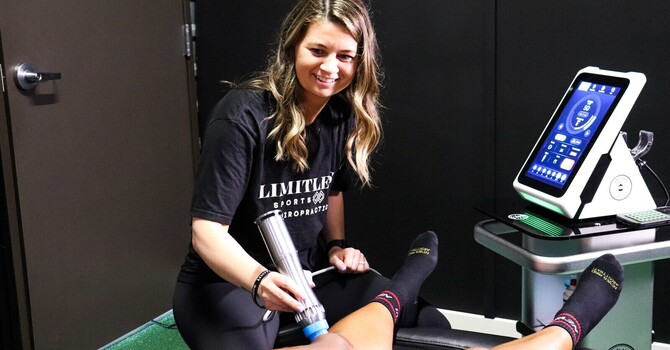
At Limitless Sports Chiropractic in Oak Point, we assess this at your first visit. We're not going to put you on an indefinite treatment schedule. The goal is to get you to a point where you're managing well on your own, with a clear understanding of what triggered your sciatica and how to prevent it from coming back. For active patients and athletes, our sports chiropractic approach means we build timelines around your performance goals, not just pain reduction.
Is Dry Needling Safe for Sciatica?
Yes, when performed by a trained provider. Dry needling for sciatica is a low-risk procedure. The needles used are sterile and single-use, and the technique is applied precisely to muscular tissue rather than near major blood vessels or nerves.
Some patients with blood clotting disorders, needle phobias, or active infections in the treatment area may not be good candidates. Your provider will review your history before your first session and flag any contraindications. If you have questions about whether dry needling is right for your specific situation, our FAQ page covers many of the most common concerns, or you're always welcome to call us directly before booking.
The Bottom Line
Dry needling doesn't fix every case of sciatica, but for patients with a muscular component to their pain — tight piriformis, overworked glutes, hamstring trigger points — it can be remarkably effective. Combined with chiropractic adjustments targeting the lumbar spine, it addresses sciatica from two directions at once, which is often what it takes to break a pattern that stretching and rest alone haven't resolved.
If you're in Oak Point, TX and sciatica has been slowing you down, our team at Limitless Sports Chiropractic is here to help you figure out exactly what's driving it and build a plan around that. Book your appointment online and let's get to work.