That first step out of bed in the morning. The sharp, stabbing heel pain that makes you wince before the day has even started. If that sounds familiar, you are probably dealing with plantar fasciitis, and you are far from alone.
Plantar fasciitis is one of the most common causes of heel pain, affecting millions of people each year, from weekend runners and athletes to teachers and nurses who spend hours on their feet. The frustrating part? It can linger for months, even with rest and stretching. That is why more and more patients at Limitless Sports Chiropractic in Oak Point, TX are turning to shockwave therapy for plantar fasciitis as a faster, more effective route to recovery.
What Is Plantar Fasciitis, Exactly?
The plantar fascia is a thick band of connective tissue that runs along the bottom of your foot, connecting your heel bone to your toes. Its job is to support the arch of your foot and absorb the stress that comes with every step you take.
When that tissue becomes overloaded, whether from repetitive impact, sudden increases in activity, tight calf muscles, or poor footwear, small micro-tears can develop. The body responds with inflammation, and the result is that familiar stabbing pain around the heel, especially during those first steps in the morning or after sitting for a long time.
Most people try to rest it, stretch it, or ice it, and while those strategies can help, they often do not address the deeper issue: chronic, poorly healed tissue that the body has given up trying to repair.
Why Shockwave Therapy Works Where Other Treatments Fall Short
Here is what makes shockwave therapy different. Instead of masking symptoms, it actually restarts the healing process at the tissue level.
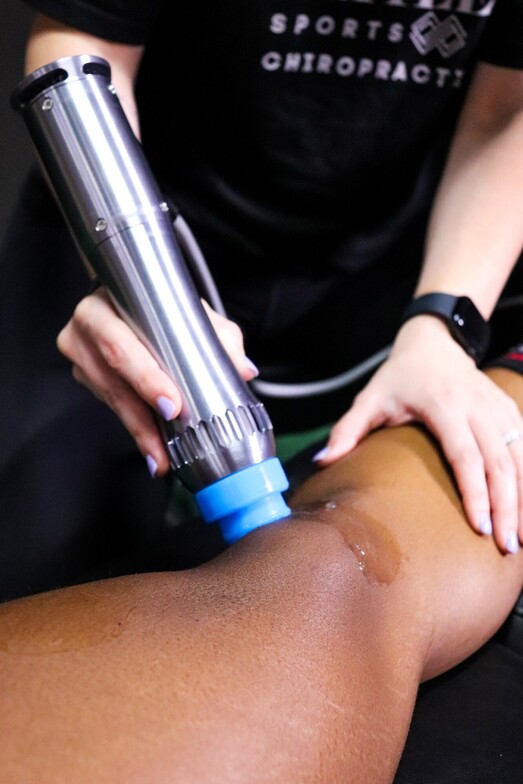
Shockwave therapy uses high-energy acoustic pulses delivered through the skin directly into the damaged tissue. These pulses do several things at once. They break up calcification and scar tissue that may have built up in the plantar fascia over time. They stimulate blood flow to an area that, because of chronic inflammation, often has poor circulation. And they trigger the body to produce new collagen, which is the building block of healthy connective tissue.
In short, shockwave therapy for plantar fasciitis convinces the body to treat a chronic injury like an acute one again, flooding the area with the healing resources it needs.
What the Research Shows
The evidence behind shockwave therapy is solid. Studies published in peer-reviewed journals consistently show high success rates for patients with chronic plantar fasciitis who have not responded to conservative care. One well-known clinical trial found that extracorporeal shockwave therapy (ESWT) produced significant pain reduction and functional improvement compared to placebo, with results holding up at 12-month follow-up. The American College of Foot and Ankle Surgeons recognizes shockwave therapy as an evidence-based option for plantar fasciitis that has not resolved with standard treatments.
At Limitless Sports Chiropractic, we integrate this research-backed approach into a comprehensive plan tailored to your specific presentation.
What to Expect During Treatment
A common question we hear is: how many sessions of shockwave therapy for plantar fasciitis does it take to feel better?
For most patients, a course of three to five sessions spaced about one week apart is standard. Each session typically takes 15 to 20 minutes. During treatment, you will feel a repetitive tapping or pressure sensation over the heel and arch. Some patients describe it as mildly uncomfortable, particularly over the most inflamed areas, but it is generally well tolerated without the need for anesthetic.
Here is the important thing to understand about the timeline: shockwave therapy works through a biological process, not immediate symptom suppression. Many patients notice improvement within two to three weeks of their first session, and the healing continues for several weeks after the final treatment as the tissue remodels and strengthens.
Who Is a Good Candidate?
Shockwave therapy for plantar fasciitis tends to produce the best results when the condition has been present for at least three to six months and has not fully responded to stretching, orthotics, or physical therapy. If you are an athlete or someone who cannot afford extended downtime, it is also worth discussing early in your care because the recovery period is minimal compared to surgical alternatives.
That said, shockwave therapy is not appropriate for everyone. Patients who are pregnant, have blood clotting disorders, or have certain nerve conditions in the foot may not be candidates. During your initial assessment at our Oak Point clinic, we will review your history and imaging if applicable to make sure it is the right fit.
Pairing Shockwave Therapy with Chiropractic Care
One of the advantages of receiving shockwave therapy at a sports chiropractic clinic is the ability to address contributing factors at the same time. Plantar fasciitis rarely exists in isolation. Tight Achilles tendons, restricted ankle mobility, hip weakness, and altered gait mechanics all put extra load on the plantar fascia. If those issues are not corrected, even a successful round of shockwave therapy may not prevent the problem from coming back.
At Limitless Sports Chiropractic, we look at the full picture. Our approach to plantar fasciitis heel pain treatment combines shockwave therapy with soft tissue work, joint mobilization, corrective exercise, and gait analysis to get you back to doing what you love, without the constant fear of re-injury.
Take the First Step
Plantar fasciitis does not have to be something you just learn to live with. If you have been dealing with persistent heel pain and feel like you have already tried everything, shockwave therapy may be the missing piece.
Patients in Oak Point and the surrounding North Texas area trust Limitless Sports Chiropractic for advanced, evidence-based sports injury care. Reach out today to schedule a consultation and find out whether shockwave therapy is the right next step for your recovery.