If you've ever felt a dull, nagging ache around the front of your knee after a run, there's a good chance you've experienced runner's knee. It's one of the most common overuse injuries among active people, and it has a frustrating habit of lingering long after you've backed off your training. The good news is that runner's knee responds well to the right care, and chiropractic treatment can play a meaningful role in getting you back on your feet.
What Is Runner's Knee?
Runner's knee is the common name for patellofemoral pain syndrome, a condition that causes pain around or behind the kneecap. Despite the name, you don't have to be a runner to develop it. Cyclists, hikers, gym-goers, and people who spend long hours on their feet can all experience it.
The condition occurs when the kneecap doesn't track properly in the groove at the end of the femur. This misalignment creates friction and irritation in the cartilage beneath the kneecap, which is where the pain comes from. Weakness in the hips and quadriceps, tightness in the IT band, and poor foot mechanics are all common contributing factors.
What Does Runner's Knee Feel Like?
The hallmark symptom is a dull, aching pain around the front of the knee, particularly around or just behind the kneecap. Most people notice it most during or after activities that bend the knee repeatedly, like running, squatting, climbing stairs, or sitting for long periods with the knees bent.
You might also notice:
- A sensation of grinding or clicking in the knee
- Swelling or a feeling of fullness around the joint
- Pain that worsens going downhill or down stairs
- Stiffness after sitting for an extended period
The discomfort can range from mild and manageable to sharp and activity-limiting. In some cases, both knees are affected at the same time.
Will Runner's Knee Heal on Its Own?
This is one of the most common questions people ask, and the honest answer is: sometimes, but not always. Mild cases of patellofemoral pain syndrome can improve with rest and reduced activity. However, if the underlying cause, such as poor hip strength, tight hip flexors, or faulty movement mechanics, isn't addressed, the pain tends to return as soon as you resume activity.
Many people make the mistake of resting until the knee feels better, then jumping back into their routine too quickly. Without correcting what caused the problem in the first place, the cycle of pain and recovery repeats. This is where professional care makes a real difference.
How Long Does Runner's Knee Recovery Take?
Runner's knee recovery time varies depending on how long you've been dealing with the issue and how severe it is. Mild cases that are caught early and treated appropriately can resolve in four to six weeks. More chronic cases, where the pain has been present for months, can take three to four months of consistent treatment and rehabilitation.
The timeline also depends on how well you follow through with your rehabilitation exercises and how much you modify your activity during recovery. Pushing through pain typically extends recovery rather than shortening it.
How Can a chiropractor Help With Runner's Knee?
Chiropractic care addresses the root causes of runner's knee, not just the symptoms. At Limitless Sports Chiropractic in Oak Point, TX, Dr. Taylor Hartman takes a movement-based approach that looks at how the entire lower body functions together, because knee pain rarely starts at the knee.
Here's what chiropractic treatment for runner's knee typically involves:
Assessing movement patterns. Before any treatment begins, a thorough evaluation identifies where the breakdown is happening. Is it hip weakness causing the knee to collapse inward? Tightness in the IT band pulling the kneecap off-track? Restricted ankle mobility altering the way load is absorbed? The assessment answers these questions.
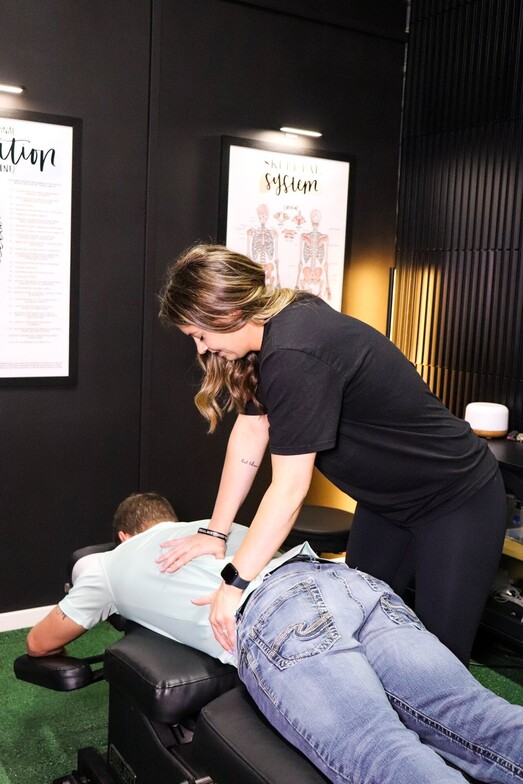
Joint adjustments and mobilization. Restrictions in the knee, hip, or ankle joints can alter the way forces travel through the leg. Gentle adjustments help restore normal joint movement, which takes pressure off the irritated structures around the kneecap.
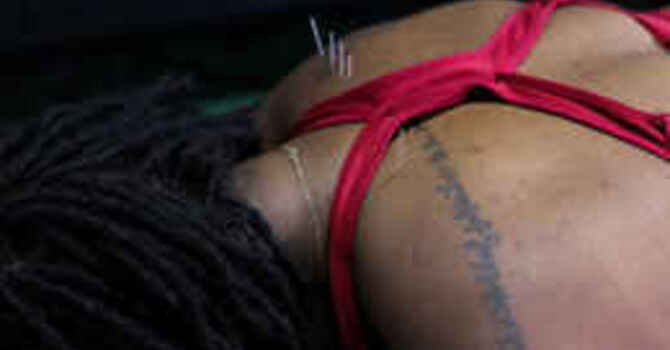
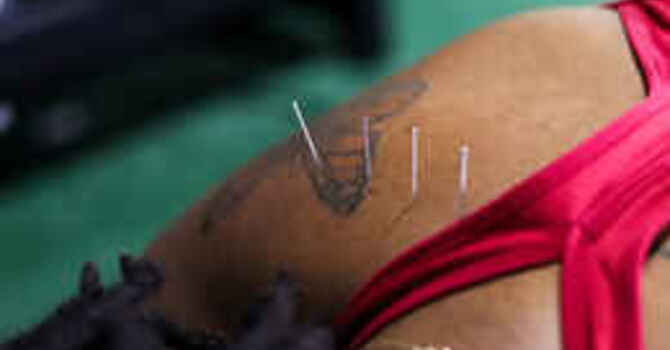
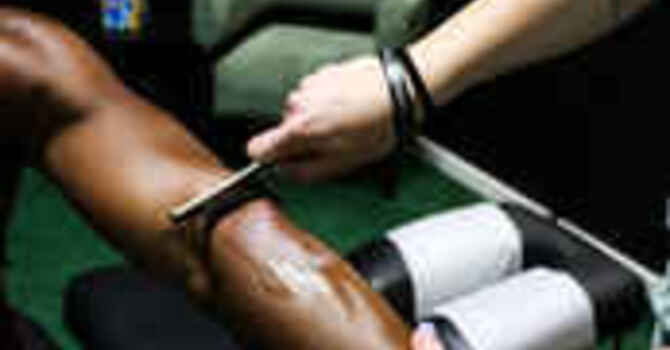
Soft tissue therapy. Tight muscles and fascia around the knee, quadriceps, hamstrings, and IT band contribute to poor kneecap tracking. Soft tissue techniques like Graston, dry needling, or cupping help release this tension and improve tissue quality.
Targeted rehabilitation exercises. Strengthening the glutes, hip abductors, and quadriceps is one of the most evidence-supported approaches to runner's knee recovery. Dr. Hartman builds exercise programs that are specific to what each patient's assessment reveals, so you're not doing generic exercises but the right ones for your situation.
Load management guidance. Knowing when to push and when to back off is a skill. Part of chiropractic care for runner's knee is helping you stay as active as possible during recovery while avoiding the activities and training errors that slow healing.
Getting Back to What You Love
Runner's knee doesn't have to keep you sidelined indefinitely. With the right diagnosis and a structured recovery plan, most people are able to return to full activity and come back stronger than before.
If you've been dealing with knee pain that hasn't improved with rest, or if it keeps coming back every time you increase your training load, it's worth having it properly assessed. At Limitless Sports Chiropractic works with athletes and active individuals across Oak Point, Aubrey, and the surrounding area to help them move better, recover faster, and stay in the game.
Reach out today to schedule your new patient exam and find out what's really driving your knee pain.