Pain on the outside of your hip is easy to misread. It shows up when you lie on your side at night, climb stairs, or push through the second half of a run, and most people assume the hip joint itself is the problem. In our clinic, we often find the real source sits in the muscles around the joint, especially the gluteus medius and its neighbors. Dry needling gives us a direct way to treat those muscles, and it works well alongside the other hands-on care we offer. This is a different angle from our earlier posts on hip bursitis and SI joint pain, so we want to focus on the muscle side of the story here.
Why lateral hip pain gets mistaken for a joint problem
The gluteus medius sits on the outer surface of your pelvis. It holds your pelvis level every time you stand on one leg, which means it works on every step you take. When it tightens or fatigues, it can develop trigger points, small knots of overworked muscle that refer pain to the outer hip, the low back, and sometimes down the side of the thigh.
That referral pattern fools a lot of people. The ache feels deep, so it feels like a joint. Yet when we examine the area, the joint often moves well and the muscle tells a different story. Tight, tender bands in the glute medius and glute minimus reproduce the exact pain you describe.
Who we see with this pattern
We see lateral hip muscle pain most in distance runners, lifters who squat and lunge heavily, and youth athletes who play several sports in a row. Desk workers show up with it too, because long hours of sitting leave the glutes weak and sleepy, then a weekend workout asks them to do a lot at once. If you live in Denton or Cross Roads and your hip aches after a long drive followed by a hard training session, that story probably sounds familiar.
Common signs include:
- Soreness on the outside of the hip when you lie on that side
- Pain that builds during single-leg movements like stairs, lunges, or running
- A tender spot you can press on the outer pelvis that matches your pain
- Tightness that returns after stretching, even when the stretch feels good
What dry needling does for the glutes
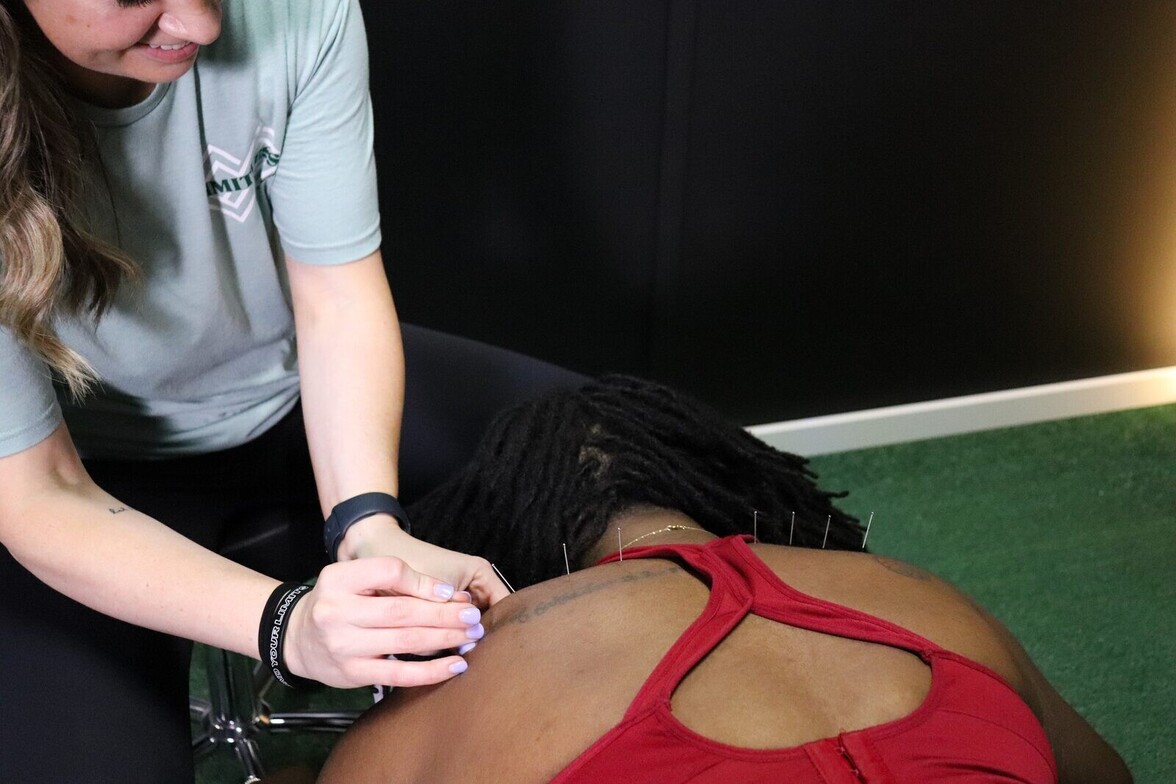
Dry needling uses thin, sterile filament needles placed directly into a trigger point. The needle has no medication in it. When we reach the knot, the muscle often gives a quick twitch response, and that twitch helps the tissue let go of the tension it has held. Many patients notice the area feels looser and less irritable afterward, though everyone responds a little differently.
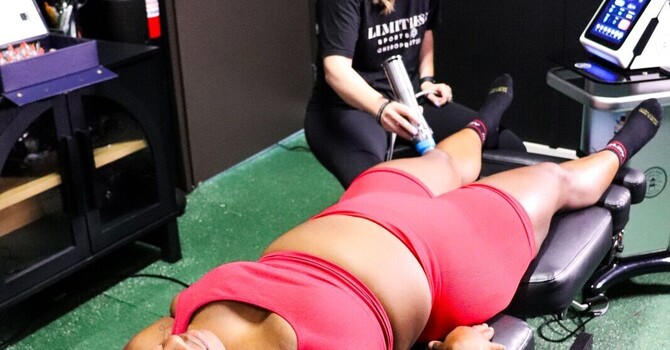
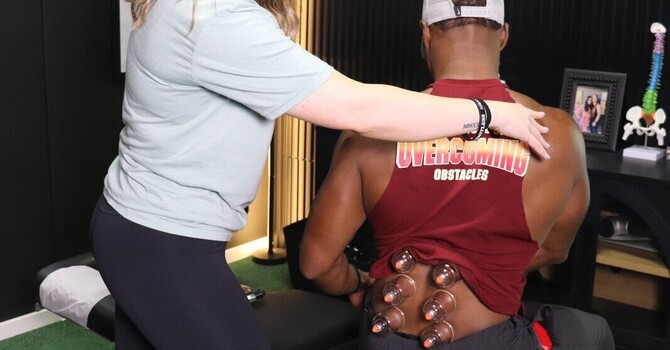
We pair the needling with the rest of our toolkit. Myofascial release helps us work the surrounding tissue, chiropractic adjustments restore motion in the low back and pelvis when it limits you, and cupping with motion can add a quick, effective step in a follow-up visit. We choose each piece based on what we find in your exam, not a set routine.
What a visit looks like
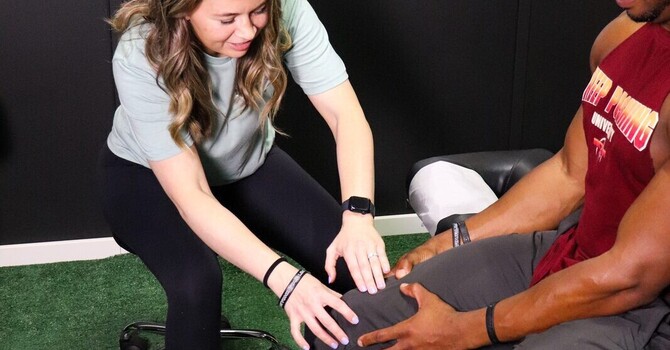
We start with your story and a movement exam. We watch how you stand on one leg, how your pelvis drops when you step, and how your hip, low back, and knee move together. Then we palpate the glute medius, glute minimus, and the muscles that wrap around the hip to find the trigger points that match your symptoms.
If dry needling fits, we explain each step before we start. Most people feel a small pinch or a deep, achy sensation when the needle finds a trigger point, and it passes quickly. Afterward, you might feel some soreness for a day, similar to the feeling after a solid workout. We then give you simple strength and mobility work for the glutes so the changes hold up during training.
Why strength matters as much as treatment
Needling quiets an overworked muscle, but the muscle still needs to do its job. When we release the glute medius, we usually follow with side-lying leg work, band walks, and single-leg balance drills that build the strength your pelvis needs. We show you the exact dose that suits your training, so you can keep moving while the tissue adapts.
Take the next step
If you live in Denton, Cross Roads, Oak Point, Little Elm, Aubrey, or Prosper and your outer hip keeps nagging you, let us take a look. Dr. Taylor Hartman and our team will find out where the pain really starts and build a plan that keeps you training. Book your visit online and tell us what you want to get back to.

Taylor Hartman
Contact Me